

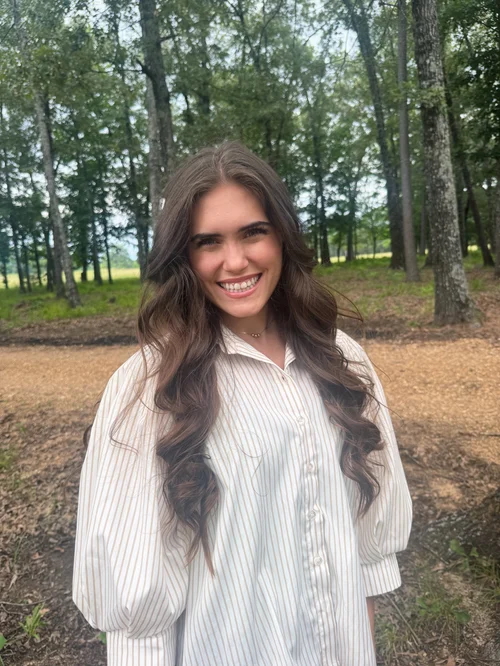
By Emily McMaster, LAC
February is one of the coldest months of the year. The ground is hard; the trees are bare, and there are no visible signs of growth. Yet beneath the surface, meaningful work is occurring. Roots are strengthening; the soil is resting; and conditions are quietly preparing for spring.
Mental and spiritual healing often feel like an endless February. Growth isn’t noticeable. There are times when you may feel like you’re only getting through the day. Maybe you’re able to mutter a prayer or read a passage of scripture, but these seem insignificant. It’s easy to assume that nothing is getting better. You may feel like you should be “further along” by now. But scripture gently challenges that assumption.
In Zechariah’s day, God’s people had spent nearly twenty years surrounded by unfinished work. The temple lay in ruins and rebuilding it felt unimpressive compared to what once stood. These days felt “small” compared to the “great” days of the past when the temple was strong and beautiful. But God said, “For who has despised the day of small things?” (Zechariah 4:10).
God was urging his people not to despise this time. These ordinary, slow days were not meaningless; they were shaping something God was still committed to completing.
This theme also appears in Judges 4 through the story of Jael. At the time, Israel was oppressed and fighting an uncertain battle. Yet off the battlefield, Jael’s role quietly unfolded. There were no divine instructions—only a moment of ordinary obedience carried out in her own space, using tools within reach. A seemingly unimportant common woman, not a warrior, killed a very powerful enemy of God.
Like the “day of small things” described in Zechariah, Jael’s role at home may have appeared insignificant at the time, yet it proved deeply meaningful.
These scriptures remind us that God often works through small, hidden acts of faithfulness. As a counselor, I’ve seen this pattern not only in my work, but in my own life. There have been seasons where growth felt invisible—where healing occurred through small degrees of change that eventually led to something far greater.
Looking back, I realize meaningful change rarely comes from a single breakthrough moment. It almost always happens through intentional, repetitive choices.
These small steps matter because they teach the brain and body that it is safe to move forward. We often refer to these steps as micro-goals. Micro-goals are not signs of settling; they are signs of wisdom. Just as frozen ground cannot rush spring, healing cannot be forced. Small changes over time create momentum that the nervous system can tolerate, and that leads to sustainable results. The nervous system heals through repetition and consistency.
Progress often looks like scheduling a therapy appointment after putting it off, practicing one grounding skill during a stressful moment, setting a small boundary, or choosing rest instead of pushing through exhaustion. These actions may feel ordinary, but over time, they build stability and resilience.
These seasons of small steps are not evidence of weak faith. God does not despise beginnings that look unimpressive. In fact, these seasons often shape and prepare us for greater things. What we are tempted to overlook or minimize, God may be using beneath the surface to build something lasting.
If you find yourself in a season where healing feels slow, consider what a small step might look like today. Break a long-term goal into micro-goals and begin taking the next best step available to you. Like seeds resting beneath frozen ground, these choices are preparing you for growth.
Emily McMaster, LAC, is a licensed counselor at Living Well Professional Counseling. She works with children, adolescents, and adults, supporting clients through seasons of emotional healing.
2 Responses
In complete agreement.
I need to get my Emily to see you.
She’s struggling with a recent caregiver leaving.
Emily, you are wise beyond your years! You have been blessed to be surrounded by Christian parents, grandparents and friends.
Your future looks bright and you will continue to be a blessing to many. May God continue to bless you richly. Pam Davis, Arkadelphia